
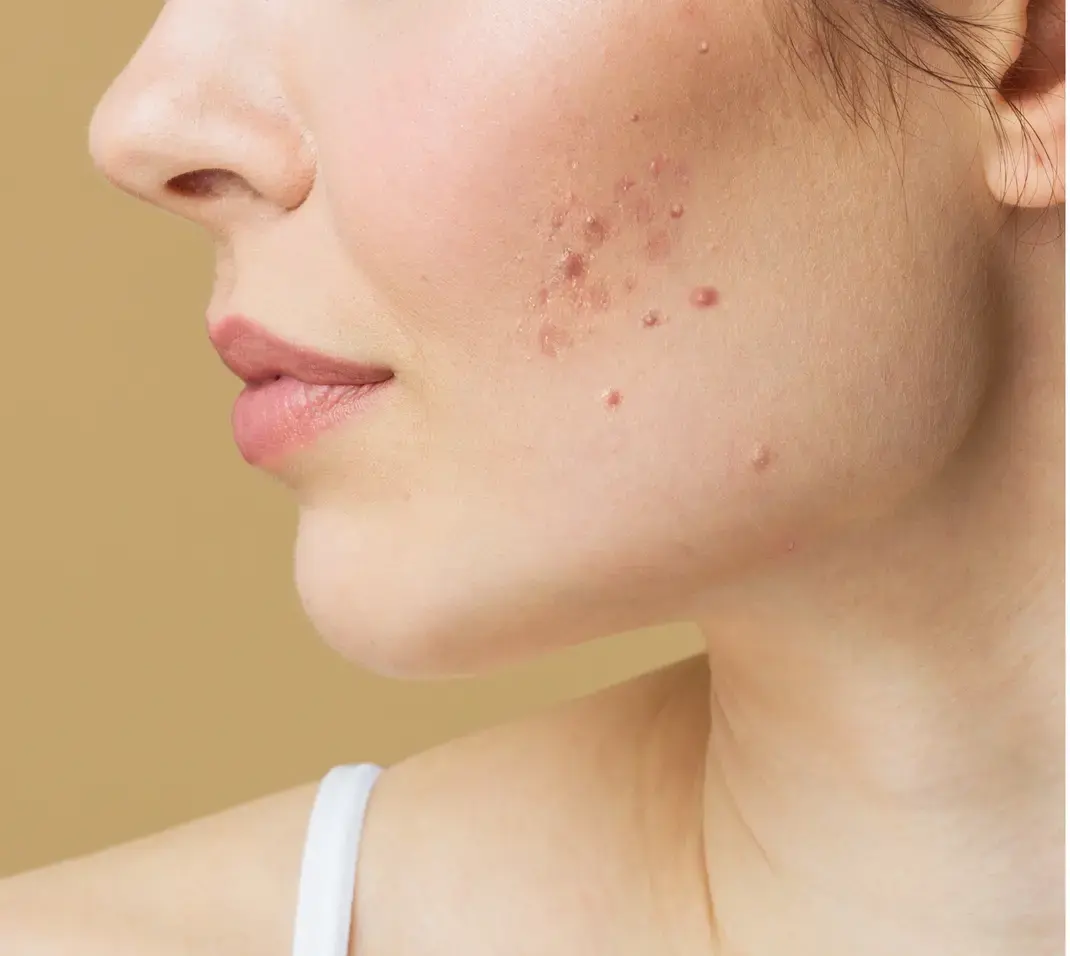
Acne scars form when deep breakouts damage the collagen beneath the skin, leaving rolling, boxcar, or ice pick marks. They differ from dark marks, which involve pigment rather than texture. At Just Glam Aesthetics in Astoria, NY, acne scar treatment usually combines collagen-building options such as SkinPen® microneedling, Morpheus8®, and chemical peels over several sessions. Scars typically soften and improve; your provider will set realistic goals at consultation.
Atrophic scars, the most common type, form when a deep breakout damages the collagen and tissue beneath the skin. The body attempts to repair the damage by producing new collagen, but if that repair falls short of the original tissue level, the area heals with a depression. The result is the texture change most people call a scar.
Several factors influence whether and how severely scarring develops:
| Type | What it looks like | Often treated with |
|---|---|---|
| Ice pick | Deep, narrow, sharp-edged channels into the skin, like a pinhole. The most difficult type to improve with surface-level treatments alone. | RF microneedling (Morpheus8®), deep peels; some cases may need a specialist referral for TCA cross |
| Boxcar | Broad, round or oval depressions with sharply defined vertical edges. Wider base than ice pick scars; visible as defined dips in the skin surface. | SkinPen® microneedling, Morpheus8 RF microneedling, chemical peels |
| Rolling | Undulating, wave-like texture from fibrous bands beneath the skin that tether the surface downward. Shadows shift with light. | SkinPen® microneedling, Morpheus8® RF microneedling, PRF/EZ Gel; subcision may be discussed for deeper cases |
| Raised (hypertrophic or keloid) | Thick, elevated scar tissue above the skin surface. More common in certain skin tones. May extend beyond the original breakout site (keloid). | Medical referral recommended; not a candidate for standard in-office scar resurfacing at Just Glam |
One of the most common points of confusion in acne scar treatment in Astoria, NY, is the difference between scars and dark marks. They are distinct concerns with different causes and treatments, and treating one as the other leads to frustration.
Dark marks, also known as post-inflammatory hyperpigmentation (PIH), are flat areas of discoloration left behind after a breakout. They are pigment, not texture. The skin surface is even; the mark is darker (brown, pink, or red depending on skin tone and the age of the mark). PIH can take months to years to fade on its own, but it does fade, and it responds well to brightening treatments, chemical peels, and sun protection. For a full guide to dark marks and pigmentation treatments, see our page on treatment for dark marks and hyperpigmentation.
Acne scars are structural. They are changes in the skin’s texture and architecture: depressions (rolling, boxcar, ice pick) or raised tissue (hypertrophic or keloid), caused by collagen damage in the dermis. They do not fade with time. They require collagen induction through procedures that stimulate remodeling at the depth of the original damage.
Some patients have both structural scarring and PIH in the same area. A combination plan may address both, though sometimes in sequence rather than at the same time. Your provider will assess which is present and what is driving your concern at consultation.
| Treatment | How it helps | Best for | Typical sessions | Downtime | Learn more |
|---|---|---|---|---|---|
| Microneedling with SkinPen® | FDA-cleared device creates precise micro-channels to trigger dermal collagen induction; improves texture and superficial scar depth | Rolling and boxcar scars; mild to moderate scarring; all skin types; good starting point for new scar patients | 3 to 6 sessions, 4 to 6 weeks apart | 1 to 3 days social downtime | Microneedling with SkinPen® → |
| Morpheus8® RF microneedling | Adds radiofrequency energy to microneedling, delivering heat to deeper skin layers for more significant collagen remodeling; effective for deeper or more resistant scar textures | Deeper boxcar and rolling scars; patients who have not responded fully to surface microneedling; more advanced scar presentations | 1 to 3 sessions (fewer needed than SkinPen® alone) | 3 to 7 days social downtime | Morpheus8® RF microneedling → |
| Chemical peels | Remove damaged outer skin layers; accelerate cell turnover; improve surface texture, PIH, and superficial scarring; often most effective as part of a combination plan | Mild surface scarring; PIH alongside texture concerns; combination treatment preparatory step | 4 to 6 sessions | 3 to 7 days depending on peel depth | Chemical peels for texture → |
| Combination plans | Multiple modalities in sequence address different depths and scar types simultaneously; typically more effective than any single treatment for mixed or moderate-to-severe presentations | Patients with multiple scar types or more extensive scarring; those wanting the most significant improvement over a series | Varies by plan | Varies | Book a consultation |
SkinPen® is an FDA-cleared microneedling device that creates micro-channels into the skin to stimulate collagen and elastin repair. For acne scarring, it targets the dermis to promote new collagen growth. Results typically appear 3 to 6 months after each session, and it suits most patients with mild to moderate scarring across various skin tones when managed properly.
By combining microneedling with radiofrequency energy, Morpheus8® targets deep skin layers for effective tissue remodeling. It’s especially useful for tough scars like boxcar and rolling scars. Although it requires fewer sessions than traditional microneedling, the downtime is longer.
Chemical peels use an acid solution to remove damaged skin and boost cell turnover, improving texture and reducing shallow acne scars and post-inflammatory hyperpigmentation (PIH). They are most effective when combined with other treatments, preparing the skin for deeper collagen induction procedures. The peel depth is tailored to skin tone, scar type, and treatment goals.
Patients with various scar types, including ice pick, boxcar, and rolling scars, often benefit from a structured combination plan. A typical approach uses chemical peels to improve surface quality, followed by SkinPen® microneedling for collagen induction and Morpheus8® for deeper remodeling. Providers may also add PRF/EZ Gel from the patient’s blood to enhance healing. The plan is tailored to the individual’s scar presentation during the consultation.
Patients with melanin-rich skin of color can be treated effectively for acne scarring, but the approach requires adjustment. Any procedure that creates controlled injury in the skin, microneedling, RF microneedling, chemical peels, carries a higher risk of triggering post-inflammatory hyperpigmentation (PIH) in darker skin tones. This doesn’t make treatment impossible; it changes how we approach it.
At Just Glam, we use conservative settings and peel depths tailored to darker skin tones to minimize inflammation. Pre-treatment preparation, including targeted skincare and sun protection, reduces the risk of post-inflammatory hyperpigmentation (PIH). Post-treatment sun protection is essential.
If you’ve been told your skin tone excludes you from scar treatment, that assessment may be incomplete. Bring your scar type and skin history to your consultation to explore safe treatment options.
Most acne scar combination treatment plans involve 3 to 6 sessions, spaced 4 to 6 weeks apart. The exact number depends on the type and depth of scarring, the treatment used, and how your skin responds after each session.
One key pre-treatment requirement is controlling active acne before starting scar treatment, as ongoing inflammation can hinder results. Your provider will evaluate your skin condition before treatment begins.
Results develop gradually, with collagen remodeling continuing for 3 to 6 months after the last session. Scars usually soften, flatten, and improve in texture, with significant improvement but rarely complete disappearance. Setting realistic expectations leads to better satisfaction with results.
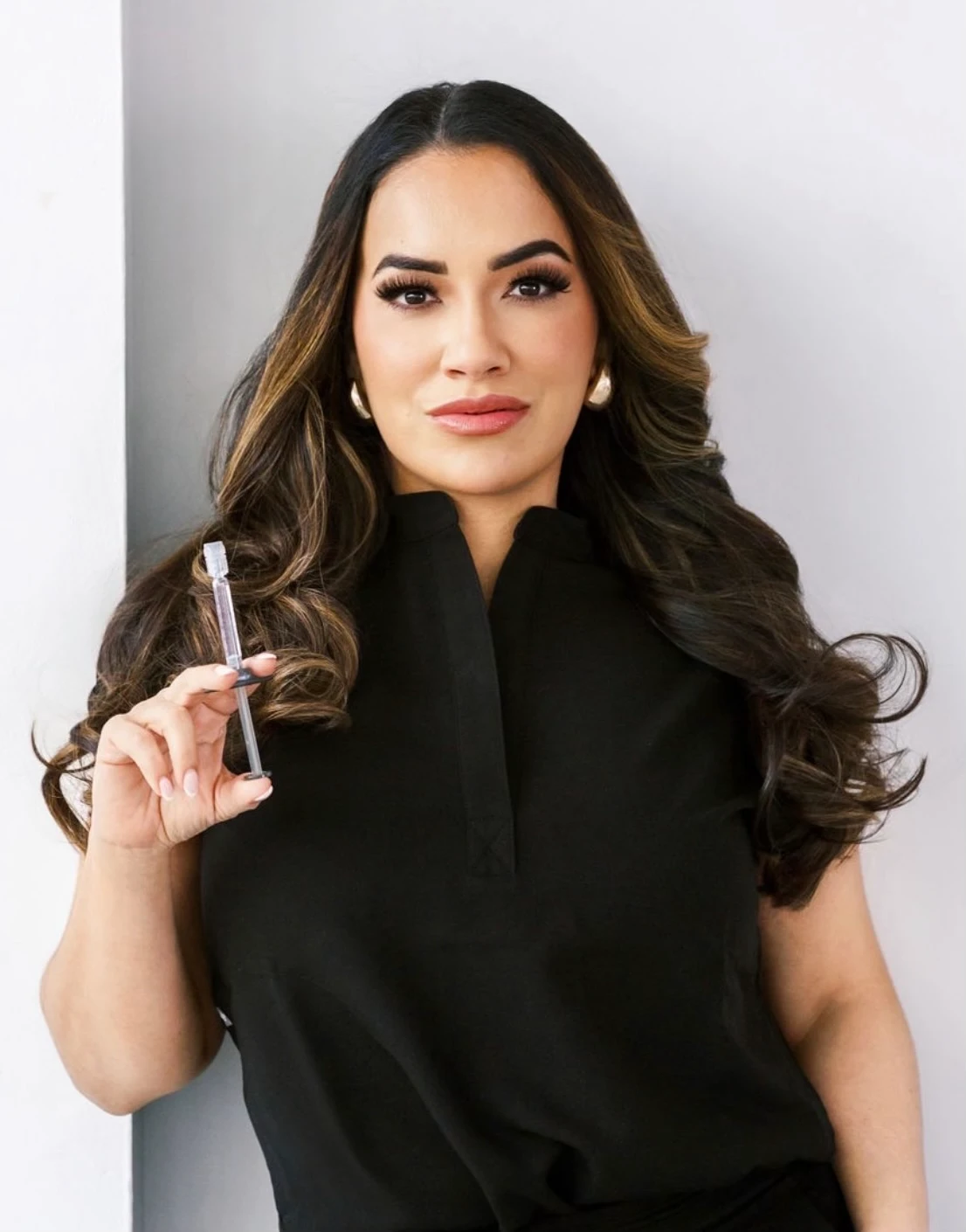
A Family Nurse Practitioner with over four years experience and 12 years as a Registered Nurse at NYP Weill Cornell, my specialty is medical aesthetics. I started Just Glam Medical Aesthetics to become an Aesthetic Injector and entrepreneur. It began as a concierge service, which has grown to a practice in the heart of Astoria, NY.
As the Founder and Co-Partner, I stay current with new methods & techniques in aesthetics. I have been trained by top injectors in the industry across the country. I believe in lifelong education to ensure the best and safest practices for my patients.
I strive to make my patients feel beautiful & confident by turning medicine into art. Your face is my canvas.
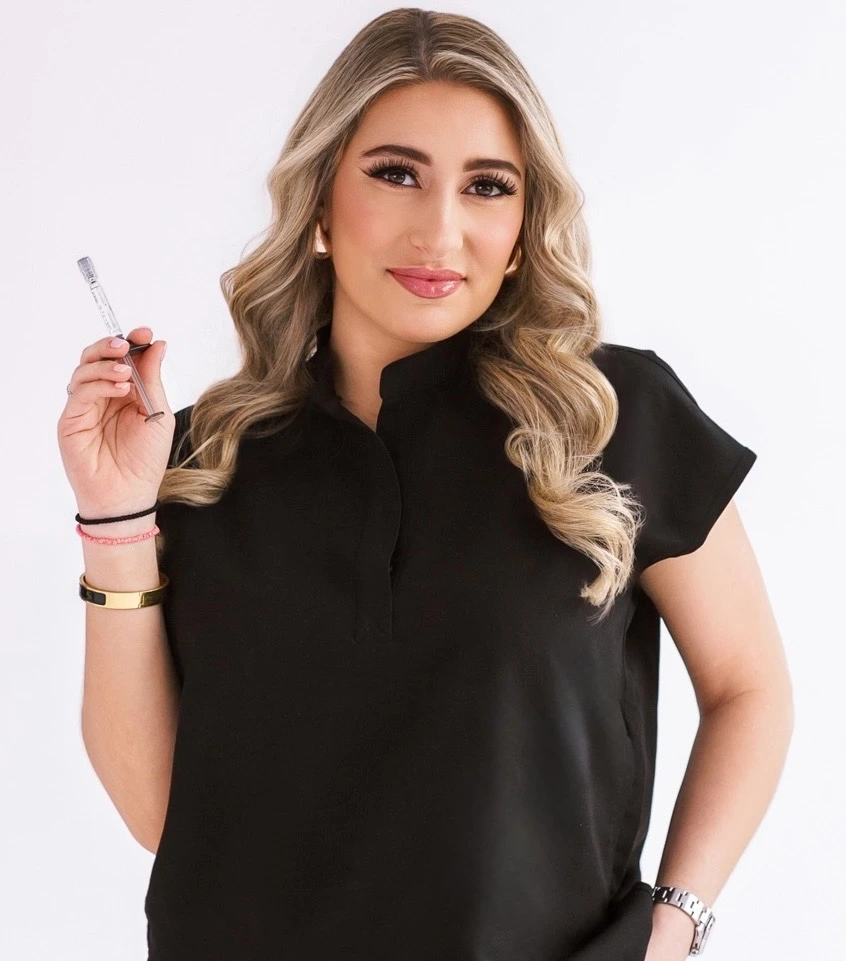
I have always had a passion for medical aesthetics, and alongside Ana Builes, I am blessed to have pursued it in my community. We strive to build trusting & honest relationships with our patients.
As a Registered Nurse with over 6 years of clinical experience, patient safety & education are the priority. One-to-one care is essential for patient outcomes.
I love naturally enhancing one’s beauty to build confidence. My dedication is making each patient feel their best.
Licensed nurse practitioners and registered nurses perform all treatments at Just Glam Aesthetics.
“Fearlessly GLAM”
Just Glam Aesthetics is located at 28-34 38th Street, Long Island City, NY 11103. Patients in Woodside and Sunnyside looking for acne scar removal in Queens are typically 10 to 15 minutes away, close enough to make a 3- to 6-session treatment series manageable alongside a regular schedule. Sessions spaced every 4 to 6 weeks add up over several months; having a clinic near home or work makes that commitment realistic, not disruptive. We are rated 5.0 on Google across 97 reviews.
Book online anytime or call us at 929-919-2767.
No single treatment works for every type of acne scar, as the recommended approach depends on scar depth, shape (ice pick, boxcar, or rolling), skin tone, and downtime preferences. Most patients with moderate scarring achieve noticeable texture improvement through a targeted series of SkinPen® microneedling, Morpheus8® RF microneedling, or chemical peels. A personalized consultation will determine the appropriate protocol.
With the right treatments over multiple sessions, they can improve significantly, especially rolling and boxcar scars. Ice pick scars are the hardest to treat and require more sessions for noticeable improvement. While scars can soften and reduce in depth, complete disappearance is unlikely, and providers who promise otherwise aren’t being honest.
Both treatments induce collagen but differ in depth. SkinPen® microneedling is for mild to moderate scarring, suits all skin tones, and requires 3 to 6 sessions. Morpheus8® targets deeper layers and is ideal for significant scarring, with fewer sessions but more downtime. Some patients may start with SkinPen® and switch to Morpheus8® for better results. Providers will recommend the right options depending on scar type.
Control active acne before starting scar treatment. Treating scars with ongoing breakouts is counterproductive since inflammation can cause more collagen damage. Your provider will assess your skin and likely recommend tackling active acne first if it’s not under control.
In patients with darker skin tones, treatment is safe with the right approach, since they are more likely to develop post-inflammatory hyperpigmentation (PIH) from procedures. Conservative techniques, appropriate peel selection, pre-treatment preparation, and strict sun protection can lead to effective outcomes. The provider will determine your Fitzpatrick skin type and customize the treatment plan. Bring up any concerns during your consultation.
Results improve gradually over the treatment series and continue for 3 to 6 months post-treatment as collagen matures. Most patients notice changes after the first 2 to 3 sessions, with the most significant results emerging by the end of the series and beyond. Individual outcomes vary based on scar type, treatment plan, and skin response.
Your provider will assess your scars, skin tone, and goals before recommending any treatment.
Financing available through Cherry.
