
Hyperpigmentation and Sun Damage Treatments In Astoria, NY
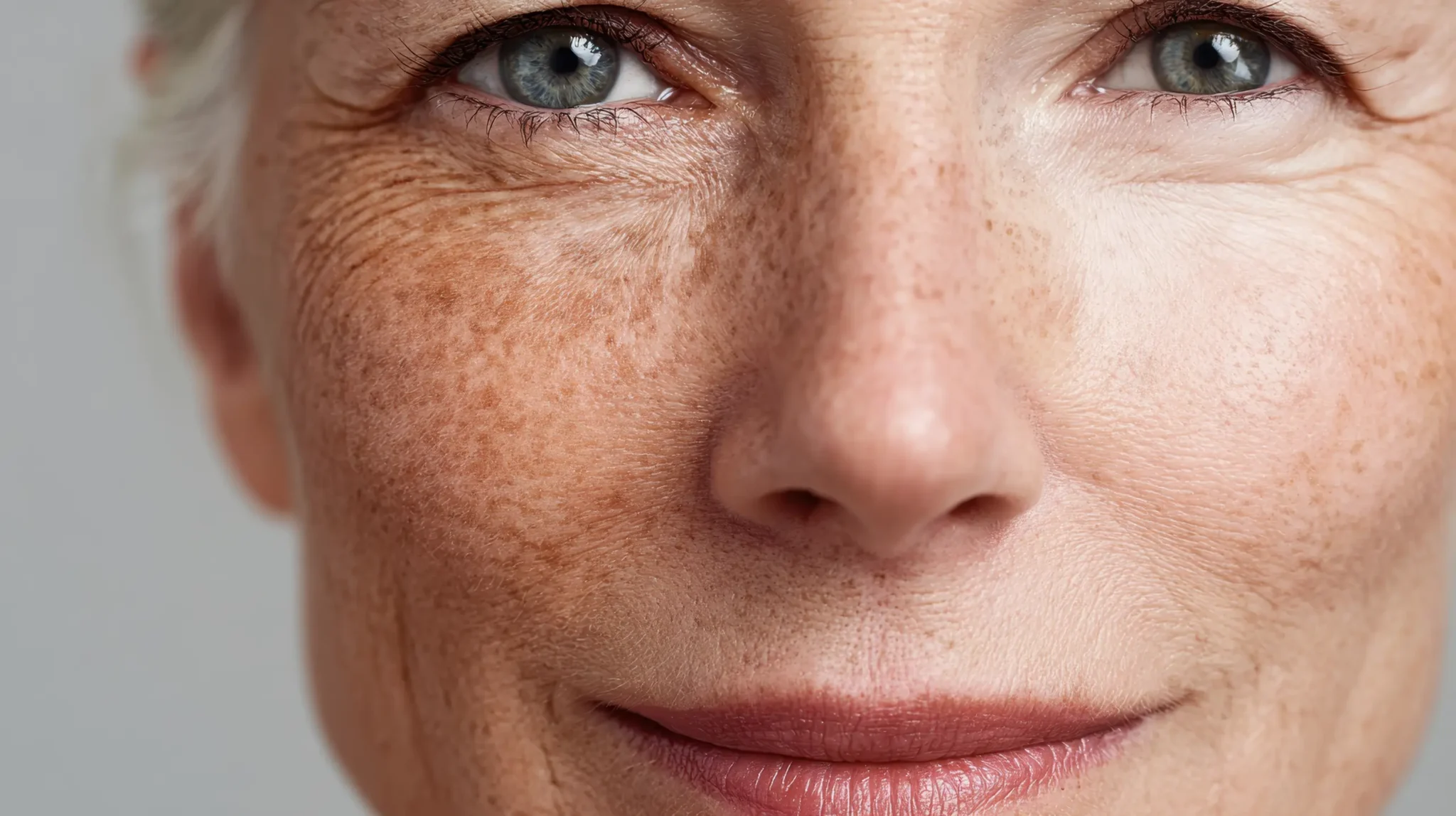
Hyperpigmentation is skin that is darker in patches, such as sun spots, acne marks, or melasma. It happens when skin produces extra melanin in response to sun exposure, inflammation, or hormones. Hyperpigmentation treatment in Astoria, NY, at Just Glam Aesthetics matches your pigment type and skin tone, using options such as Lumecca® IPL, chemical peels, and medical-grade skincare, with daily sun protection to help results last.
Hyperpigmentation occurs when an area of skin produces more melanin than the surrounding tissue. Melanin is the pigment that gives skin its color. When sun exposure, inflammation, or hormonal changes trigger uneven production, it can create patches or spots that appear darker than the rest of the skin.
It is extremely common and affects people of every skin tone. However, it presents differently and requires different treatments depending on the pigment type and baseline Fitzpatrick skin type. Dark spot treatment is not a one-size-fits-all; what works well on lighter skin may be unsafe or ineffective on deeper tones, and what treats sun spots may worsen melasma. Understanding the type of pigment you are dealing with is the first step.
| Type | What it looks like | Common cause | Often treated with |
|---|---|---|---|
| Sun spots/age spots | Flat, well-defined brown patches, typically on the face, hands, and chest. Edges are clear. | Cumulative UV exposure over years | Lumecca® IPL (skin types I–IV), chemical peels, brightening skincare |
| Post-inflammatory hyperpigmentation (PIH) | Flat discoloration (brown, pink, or red) left after acne, injury, or inflammation. Located where the original breakout or wound was. | Inflammatory response after skin trauma; very common in melanin-rich skin tones | Chemical peels (all skin types, formulation adjusted), brightening skincare, strict sun protection |
| Melasma | Larger, blotchy patches of grey-brown pigment on the face, often symmetrical. Typically on the cheeks, forehead, and upper lip. | Hormonal changes (pregnancy, oral contraceptives, HRT), combined with UV exposure | Medical-grade skincare, chemical peels with appropriate formulation. Heat-based treatments such as Lumecca® IPL may worsen melasma – see note below. |
| Diffuse sun damage | Overall dullness, uneven tone, and multiple small discolorations across the face, neck, and chest | Years of cumulative UV exposure without adequate sun protection | Lumecca® IPL (skin types I–IV), chemical peels, combination skincare plans |
Sun spots, also called age spots or solar lentigines, are flat, clearly defined patches of extra melanin caused by years of UV exposure. They are the most straightforward type of pigmentation to treat: melanin is concentrated in defined areas, responds well to targeted light energy and chemical exfoliation, and lacks the hormonal component that makes melasma unpredictable. Lumecca® IPL and chemical peels are both effective options, and the best choice depends on skin tone. Results require ongoing sun protection to hold. For marks left after acne specifically, see our guide to acne scar and dark mark treatments.
Post-inflammatory hyperpigmentation (PIH) is flat discoloration that remains after the skin experiences inflammation. It is not a scar; the skin surface is even, but it can take months to years to fade without treatment. PIH is especially common in melanin-rich skin tones (Fitzpatrick IV–VI), where the inflammatory response triggers stronger pigment production. Chemical peels with appropriate formulations and medical-grade brightening skincare are the safest and most effective options across all skin tones. Lumecca® IPL may be appropriate for lighter skin tones but carries a higher risk of PIH in deeper tones.
Melasma is driven by hormones and UV exposure acting together. It responds poorly to treatments that create heat or aggressively stimulate the skin, because those same stimuli can trigger more melanin production and worsen the patches. This is the most important clinical distinction on this page: heat-based treatments, including Lumecca® IPL and other energy devices, are generally not appropriate for melasma and can make it worse.
The most effective approach for melasma combines prescription or medical-grade brightening skincare (targeting tyrosinase, the enzyme that drives melanin production), daily sun protection, and, where appropriate, superficial chemical peels. Results take time and require long-term management; melasma is chronic, not a one-treatment fix. If melasma is your primary concern, your provider will tell you honestly what is realistic and what approaches to avoid.
The best sun damage treatment in Astoria, NY, depends on your pigment type and skin tone. Lumecca® IPL is effective for sun spots and redness on skin types I through IV but is not appropriate for melasma or deeper skin tones. Chemical peels work across a wider range of skin tones and, when formulated correctly, address several pigment types. Medical-grade skincare maintains and extends results from all treatments. Your provider assesses both the type of pigment and your skin tone at consultation before recommending anything.
| Treatment | Lighter skin (Fitzpatrick I–III) | Medium skin (Fitzpatrick IV) | Deeper skin (Fitzpatrick V–VI) | Notes |
|---|---|---|---|---|
| Lumecca® IPL photofacial | ✓ Suitable for sun spots, redness, diffuse sun damage | ✓ Suitable with caution; conservative settings recommended | ✗ Not recommended – PIH risk | Not appropriate for melasma in any skin tone. Patch test for type IV. |
| Chemical peels (superficial–medium depth) | ✓ Suitable; range of formulations | ✓ Suitable with adjusted acid type and depth | ✓ Suitable with appropriate formulation; patch test strongly recommended | Adjust peel depth and acid selection by skin tone. Pre-treatment skincare prep often recommended. |
| Medical-grade brightening skincare (ZO®, SkinBetter Science®) | ✓ Suitable | ✓ Suitable | ✓ Suitable | Safe for all skin tones. Most appropriate for melasma maintenance. Must include daily SPF 30+. |
| Combination plan (peel + skincare) | ✓ Suitable | ✓ Suitable | ✓ Suitable with conservative approach | Best long-term approach for recurrence prevention. Often the recommended starting point regardless of skin tone. |
Triggers drive pigmentation: UV exposure, hormones, and inflammation. Treating existing marks without addressing the triggers means they return. This is the most important thing to understand before starting any pigmentation treatment.
Daily SPF 30 or higher is the single most important maintenance step after any pigmentation treatment. UV exposure stimulates melanin production; without consistent sun protection, new marks form over the cleared skin within weeks or months. Apply SPF every morning, every day, not just when it is sunny, and not just in summer. Reapply every two hours in direct sunlight.
Brightening skincare helps suppress melanin overproduction between treatments. Ingredients that target tyrosinase, the enzyme that initiates melanin synthesis, are the most clinically relevant. At Just Glam, we carry ZO Skin Health® and SkinBetter Science®, both of which include tyrosinase-inhibiting formulations that your provider will select based on your skin type and the pigment type you are treating.
For melasma specifically: even with the best in-office treatment, melasma requires ongoing management. Hormonal triggers (sun, heat, certain contraceptives) continue to drive it. A long-term plan combining medical-grade skincare and rigorous sun protection is more realistic than expecting a permanent fix from any single in-office session.
The UV index in New York peaks from May through August, the same months that accelerate sun damage and trigger PIH and melasma flares. October through March is the optimal window for in-office pigmentation treatments: UV exposure is less intense during the treatment course, and consistent sun protection during recovery is easier to maintain when direct summer sun is not a daily variable. Patients who treat after a Queens summer and protect through winter typically arrive at spring with their clearest skin of the year.
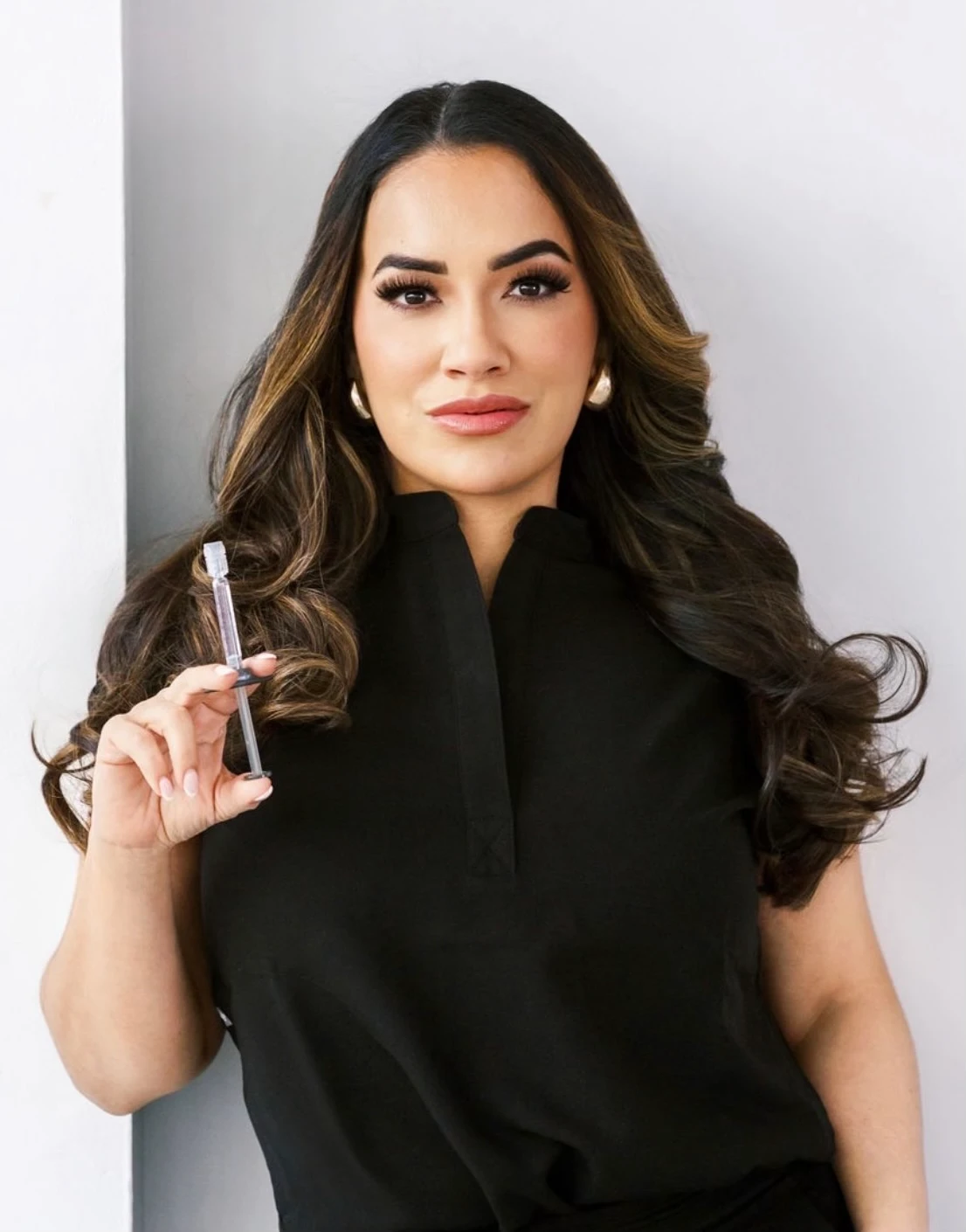
A Family Nurse Practitioner with over four years experience and 12 years as a Registered Nurse at NYP Weill Cornell, my specialty is medical aesthetics. I started Just Glam Medical Aesthetics to become an Aesthetic Injector and entrepreneur. It began as a concierge service, which has grown to a practice in the heart of Astoria, NY.
As the Founder and Co-Partner, I stay current with new methods & techniques in aesthetics. I have been trained by top injectors in the industry across the country. I believe in lifelong education to ensure the best and safest practices for my patients.
I strive to make my patients feel beautiful & confident by turning medicine into art. Your face is my canvas.
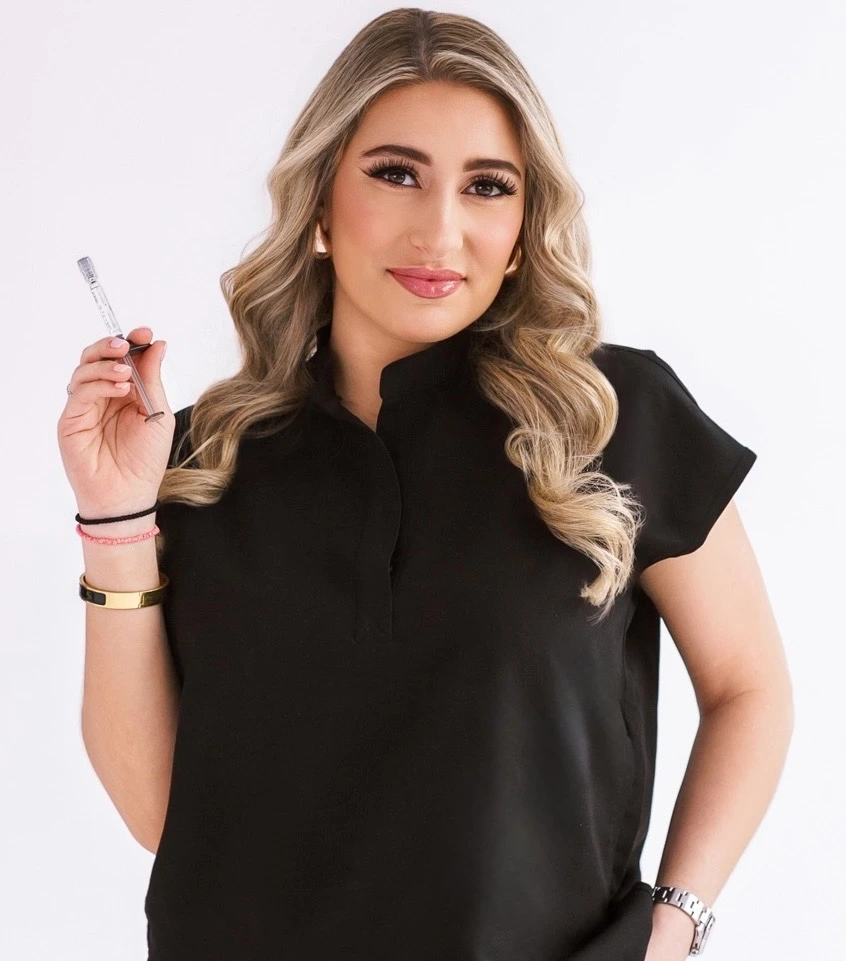
I have always had a passion for medical aesthetics, and alongside Ana Builes, I am blessed to have pursued it in my community. We strive to build trusting & honest relationships with our patients.
As a Registered Nurse with over 6 years of clinical experience, patient safety & education are the priority. One-to-one care is essential for patient outcomes.
I love naturally enhancing one’s beauty to build confidence. My dedication is making each patient feel their best.
Licensed nurse practitioners and registered nurses perform all treatments at Just Glam Aesthetics.
“Fearlessly GLAM”
Just Glam Aesthetics is located at 28-34 38th Street, Long Island City, NY 11103. Western Queens, including Woodside, Sunnyside, and Long Island City, is one of New York’s most diverse communities, with patients of every skin tone and background. This page exists because no single treatment suits every skin tone, and a provider who offers only IPL can’t honestly serve every patient in this neighborhood. Patients from Woodside and Sunnyside are typically 10 to 15 minutes away; those from Long Island City are generally 10 to 15 minutes away. We have a 5.0 rating on Google across 97 reviews. Dark spot treatment in Queens starts with the right assessment.
Book online anytime or call us at 929-919-2767.
It depends on the type of sun damage and your skin tone. For flat brown spots on lighter to medium skin (Fitzpatrick I–IV), Lumecca® IPL or a chemical peel is effective. For deeper skin tones, we recommend safer chemical peels. For overall dullness and uneven tone, combining a chemical peel with medical-grade brightening skincare yields consistent results. A consultation will help determine the best approach for your specific needs.
“Permanently is misleading. Pigmentation can be reduced or cleared with proper treatment, but triggers like UV exposure and hormones persist. Without consistent sun protection and maintenance, pigmentation often returns. Sun spots treated with IPL or peels can stay clear for years with daily SPF, while melasma needs ongoing management. Setting realistic expectations is essential in every consultation at Just Glam.”
Lumecca® IPL is not recommended for Fitzpatrick skin types V or VI because of the higher risk of pigmentation issues. Safer options like tailored chemical peels and brightening skincare are available. Your provider will assess your skin type and suggest the best approach.
Melasma is hormonal and unpredictable. Heat-based treatments like IPL and certain lasers can worsen it. The best approach combines medical-grade brightening skincare, daily sun protection, and appropriate chemical peels. It’s a chronic condition, so most patients manage it long term rather than seeking a complete cure.
Treatment timelines vary by method and pigment type. Lumecca® IPL darkens brown spots, shedding in 7 to 10 days with improvement in about 2 to 3 weeks. Chemical peels show results in 5 to 10 days, while brightening skincare works over weeks to months. Post-inflammatory hyperpigmentation fades more slowly than sun spots, and melasma takes longer. Consult your provider for a personalized timeline, as results can vary.
Use SPF 30 or higher, broad-spectrum sunscreen every morning on treated areas. Mineral sunscreens with zinc oxide or titanium dioxide are recommended for post-treatment skin because they sit on the surface and reduce irritation. Reapply every two hours in direct sunlight. Consult your provider or skincare specialist for suitable products from ZO Skin Health® or SkinBetter Science®.
Your provider will assess the type of pigment and your skin tone before any recommendation.
Financing available through Cherry.
